1800 RYLOCK

Overview

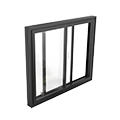
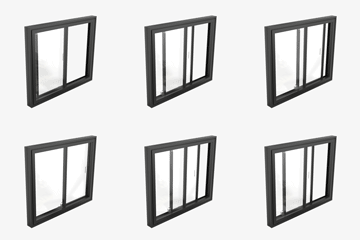
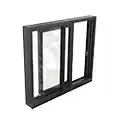
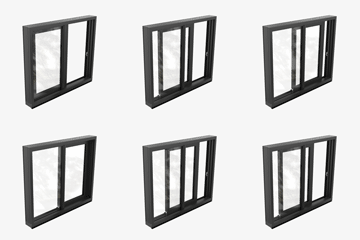
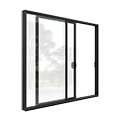
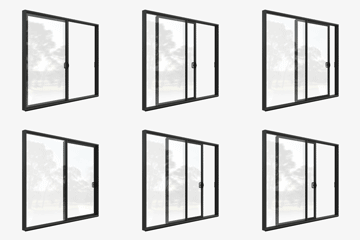
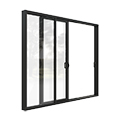
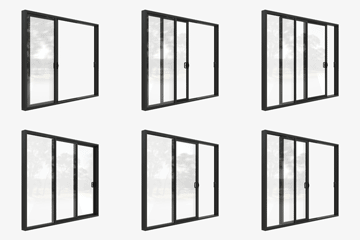
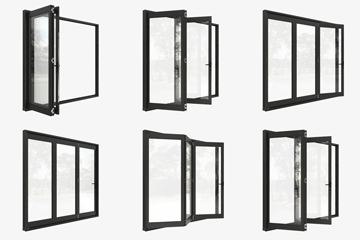
Thermally Broken Sliding Doors

THERMALLY BROKEN SERIES – 125mm FRAME

Sliding Doors help create effortless transitions between interiors & outdoor living. A narrow profile fits within most wall types.

Technical Specifications

Max Product Height
2740mm
Max Product Width
6000mm
Max Panel Height
2740mm ⁽¹⁾
Max Panel Width
1500mm ⁽¹⁾

Glazing Capacity
18mm - 22.38mm

Wind Rating
N1 - N3

Air Infiltration
0.4 L/s.m²
Water Resistance
230 Pa
⁽¹⁾ Sash / panel height and width are relative measures and must comply with maximum area and mass limitations.

Uw Value
2.1 ⁽²⁾
SHGCw Value
0.23 - 0.50 ⁽²⁾
⁽²⁾ Energy results are product and size specific. As product sizes reduce, energy values increase and are determined by the low-e double glazing solutions specified for your project. Visit rylock.com.au/resources/wers-results/ for information.
Bushfire solutions are specified when a site has a mandated BAL rating (up to and including BAL 40) to meet the requirements of AS3959.
Noise solutions are available in specialist glazings or as a secondary glazing system to help minimise the entry of intrusive noise into the home.
Rylock security and barrier screen solutions can be fitted to Rylock products to help keep your home safe and aid in fall prevention.
Information Sheet

TECHNICAL DOWNLOADS

Rylock invests significant resources in creating technical documents for all products.

Download .dwg and .pdf file format cross-section documents for the Architectural Aluminium Series Sliding Door, and navigate to the Specify Rylock and product installation guide below:

Considerations in Flashings and Waterproofing

DESIGN, MATERIALS, CODES & RESPONSIBILITIES


Information Sheet

What do flashings do?

A flashing is much more than a trim designed to improve the appearance; flashings help prevent moisture from entering the building envelope by deflecting water. Some flashings shed moisture created through condensation from within cavity walls. Any internal moisture can lead to structural rot or mould within living areas. Flashings are
typically fitted wherever there are penetrations through walls or roofs. Building wrap or sill flaps are not flashings.

What are flashings made from?

Flashings are made from impervious materials that are required to absorb any building movement, often needing to be formed around building elements. Care must be taken when choosing metal flashings (such as galvanized steel, copper, lead, powder coated aluminium & ColorBondTM coated steel) to prevent any electrochemical corrosion between dissimilar elements within the flashings. Plastic membranes are available in a variety of sizes and are also a popular option. Liquid membrane systems are not flashings but help block water where hard external wet areas (such as a tiled balcony), meet door sills.

Where do flashings get fitted?

There are three types of flashings: sill, jamb and head. Flashings must be installed from bottom to top so that each layer overlaps the one before in the following order:

1. Sill flashings
2. Jamb flashings; and
3. Head flashingsWhere do flashings get fitted?

Sill flashings prevent driven rain from entering under windows or doors. They are also the exit point for water that has been deflected off the head flashing and onto the product or diverted from the jamb flashings  themselves. Sill flashings for doors prevent water from being drawn into subfloor areas or absorbed into the slab
foundation.

Jamb flashings prevent driven rain from working in around windows and doors and continue to exclude water previously deflected off the head flashing. Some Rylock products have an optional ‘frame infill’ which mimics the rebate found in timber windows for such flashings. This infill may be specified where it is deemed helpful to
the flashing process.

Head flashings should overhang the sides of any window or door, by differing amounts based on the wall construction and are most critical as any water not deflected here may track down into the building.

Who designs & fits flashings?

Flashings are designed by architects, designers, drafts-people or specified onsite by the builder. Flashing design needs to consider the specific product being fitted, its overall depth, the cavity dimension and the tolerance of the frame. Flashings need to be fitted by or under the supervision of the builder, as they need to be installed at
different times during the build.

What codes do flashings & membranes need to meet?

Designers or builders need to refer to relevant Standards and Codes for individual flashing and waterproofing requirements. These may include, but are not limited to the National Construction Code, AS2047 Windows and External Glazed Doors, AS4773 Masonry in Small Buildings, AS4654 Waterproofing Membrane Systems for
above-ground use.

Request
a Quote

We have passion for our solutions that enhance your lifestyle, so enquire below to see how we can help with your next project or call us on 1800 RYLOCK.
PRIVACY COLLECTION STATEMENT