
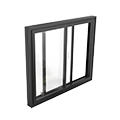
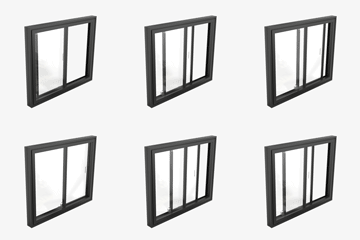
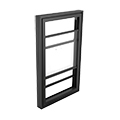
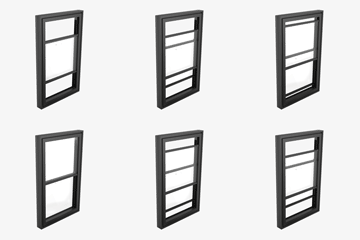
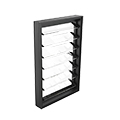
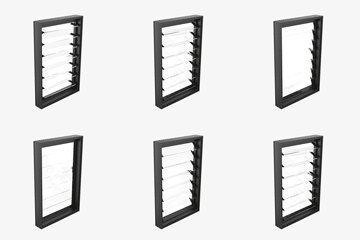
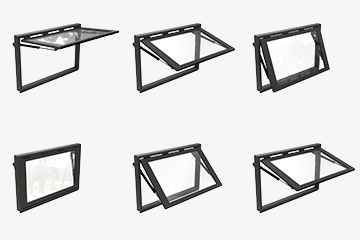
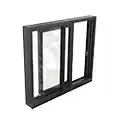
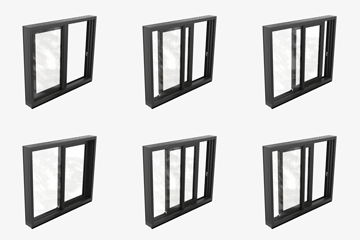
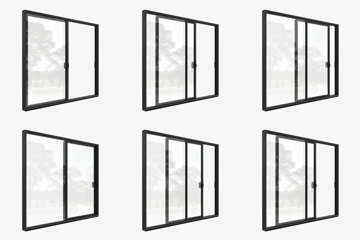
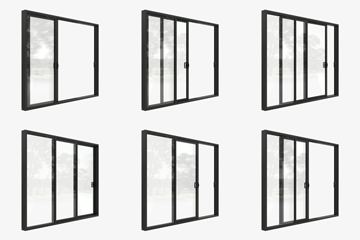
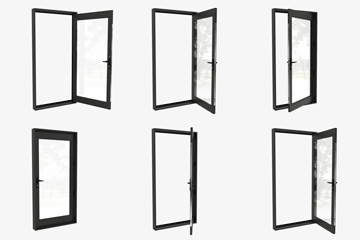
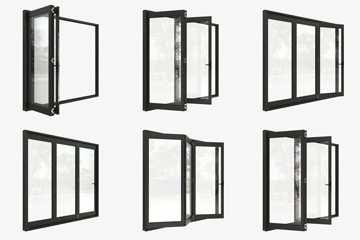
Rylock Commercial Series Comfort

Style meets energy efficiency.

Rylock has been designing and specifying products that consider Australia’s diverse landscape and local climatic conditions for more than 40 years. It has always been an essential component of everything we do.

The energy efficiency of various building materials and the installation methods used during construction are intrinsically linked to the comfort experienced in the dwelling.

View the animation series below to learn more about:

  • Performance Parameters for Windows & Doors
  • Double Glazing; and
  • Low-e Glass

Energy Performance Parameters for Windows & Doors.

Energy Efficient building design considers the specific climatic conditions of a given site. Climate and orientation are variables that can add comfort and value to your home.

Window and glass door product type and size are critical factors in this process. Appropriate glazing for winter heat gain, carefully positioned products to encourage cross-flow ventilation and opening clerestory windows to vent warm summer air are but a few design examples.

Learn more about the considerations in this animation.

DOUBLE GLAZING

Insulation through glass.

An IGU (Insulated Glass Unit) is made up of two panes of glass that are separated via a perimeter spacer to minimise heat transfer between the inner and outer panes. All products at Rylock feature Grade A Safety Glass Low-e Double Glazing (Argon Fill) as a standard specification, for greater thermal performance.

Low-e double glazing is the most cost-effective way to minimise heat transfer through windows and glazed doors.

Learn more about the process of double glazing in this animation.

LOW E  GLAss

Solar Control Glazing.

Solar Control glazing helps limit the amount of heat gain via radiation through the glass. This is best suited to climates where cooling requirements are predominant, or aspects of a building that are unprotected from summer heat.

The term used to describe the performance attributes of such glass is SHGC (Solar Heat Gain Coefficient), which is the fraction of solar radiation transferred through a product. Rylock offers a range of Low-e (low emissivity) product solutions for your site’s climate and solar orientation.

Learn more about low-e glass in this animation.

Energy Efficiency 3

AIR LEAKAGE

Minimise summer heat gain.

Air leakage – or ‘air infiltration’ – refers to how well a product seals the inside from the out. Rylock products typically feature at least two seals on every opening element. Most products are glazed with inner and outer seals to prevent drafts and glass rattling.

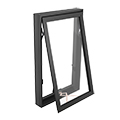
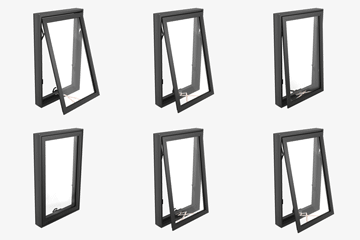
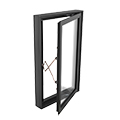
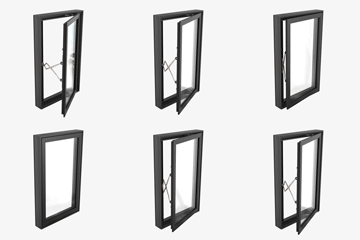
Our bar operator Awnings and Casement Windows are designed with secondary latches to seal shut effectively. Best practice installation techniques should also be adopted to ensure air leakage is minimised around the perimeter of every product.

Energy Efficiency 5

FRAME CONDUCTIVITY

Minimise heat transfer.

The frame conductivity of a window is important in determining how quickly heat transfers from where it is hot, to where it is not. Naturally, this cycle changes through the seasons however this measure is always made through the U-value.

Rylock products are thermally modelled during the design phase to minimise heat transfer through conductivity, whilst enjoying the strength and durability of a quality powder coated aluminium window system. Our product features an in-line reveal system which acts as a thermal shield, whilst our Thermally Broken Series of windows and doors deliver the ultimate performance, whereby an insulator separates the inner and outer extrusions.

MASTER BUILDERS ASSOCIATION OF VICTORIA

Getting Energy Efficiency Right with Master Builders.

Rylock was proudly selected by the Master Builders Association of Victoria to explain the importance of windows and doors in energy efficiency performance for residential construction.

In this video, our Senior Sales Consultant Pat McLeod speaks with Dr. Philip Alviano to describe the considered design principles and materials that make up our high performance window & door products.

Energy Efficient Design Resources

With so many complex variables, the building design process is best considered by an appropriately trained professional. See below for a list of useful resources: