


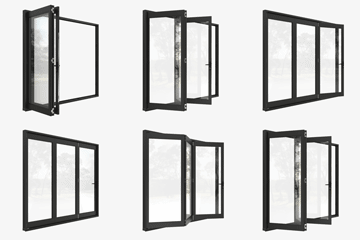

Windows and doors are essential features for any home, and performance matters as much as aesthetics. Both products need to withstand tough Australian conditions, play their role to protect your home and family and meet strict compliance requirements.
Australian window standards and door standards are in place to ensure products are safe, durable, weather-resistant and suitable for modern family life. From wind performance to bushfire protection and energy efficiency, these standards play a significant role in how your home feels and functions.
Choosing doors and windows from a supplier ensures compliance and quality, helping you maintain your home’s value and avoid unnecessary future expenses.
Why Australian Standards matter for windows and doors
Standards are put in place to ensure security, safety and value for money for homeowners. They set mandatory requirements for things like materials, construction, installation and testing.
Window and door standards help ensure:
- Safety for occupants, especially when it comes to glass and structural performance
- Reliable performance in Australian heat, storms and coastal conditions
- Compliance for building approvals and inspections
- Long-term durability and valid warranties
- Stronger resale value and peace of mind
What are the main Australian standards for windows and doors?
Australian Standards set out how products must be tested and how they should perform. The National Construction Code, or NCC, references those standards and makes them mandatory for building approvals.
Here are the key standards homeowners should know.
AS 2047 – Windows and External Glazed Doors in Buildings
AS 2047 covers:
- Performance testing
- Structural strength
- Air infiltration
- Water penetration
- Operating force
Products tested to AS 2047 are classified by performance level. This includes wind rating windows Australia requirements, which are especially important in exposed or coastal areas.
If your windows and external glazed doors do not meet AS 2047 requirements, they are unlikely to pass compliance checks.
AS 1288 – Glass in Buildings (Selection and Installation)
AS 1288 glass standard focuses on how glass is selected and installed.
It addresses:
- Safety glazing requirements
- Glass used in human impact areas
- Minimum thickness and type of glass
For example, areas near doors, bathrooms or stairs often require safety glass. This standard helps reduce the risk of serious injury because the glass is stronger and less likely to splinter into sharp pieces if it does break.
NCC Glazing Requirements
National Construction Code glazing requirements tie everything together.
The NCC references standards such as AS 2047 and AS 1288 and sets out requirements based on your state and climate zone. It covers:
- Glazing performance
- Weatherproofing
- Structural adequacy
- Energy efficiency
Explore our double glazed window and double glazed door options.
Window and door performance ratings homeowners should understand
As a homeowner, you don’t have to spend hours reading extensive technical documents about glass quality and frame placement. However, these are some factors to keep in mind and ask about when you choose doors and windows.
Wind ratings and structural performance
Homes in coastal areas or open landscapes are exposed to higher wind pressures. If windows are not properly rated, you might notice:
- Rattling during strong winds
- Drafts
- Frame movement
- Difficulty opening and closing
Correct wind classification under AS 2047 ensures your windows won’t rattle or break in high wind.
Water ingress and weather sealing
Australia’s weather can turn quickly. Heavy rain combined with strong winds can push water through old, poorly designed or badly installed frames.
Windows and frames that meet Australian standards reduce the risk of:
- Leaks
- Internal damage
- Mould growth
- Premature wear
Good weather sealing protects both your comfort and helps your home to hold its value.
Energy efficiency and thermal performance
Windows have a big impact on comfort and power bills.
Window energy ratings Australia-wide are influenced by glazing type, frame design and installation quality. Depending on your climate zone, you may need specific performance levels to meet NCC requirements.
Double glazing, low-emissivity (Low-E) coatings and thermally improved frames can all contribute to better performance. The right choice helps keep your home cooler in summer and warmer in winter without overworking your heating and cooling systems, giving you a lower energy bill and a more sustainable (and valuable) home.
Bushfire Requirements (BAL Ratings) and what they mean
Bushfire protection is a serious consideration for many homes in Australia, even in suburban areas.
BAL ratings windows refer to Bushfire Attack Level classifications. These determine how much radiant heat and ember exposure a home may face.
Depending on your home’s BAL rating, you may need:
- Specific glazing types
- Toughened glass
- Particular frame materials
- Ember-resistant sealing systems
Not every home requires bushfire-rated windows and doors, but it is important to confirm your site’s requirements early in the design phase.
Read more: Bushfire sAttack Levels: Choosing Compliant Windows and Doors
Do internal doors need to meet standards too?
Internal glass doors usually do not have the same performance requirements as external doors.
However, safety glass requirements can still apply in certain areas, such as:
- Near staircases
- In bathrooms
- Around large glazed panels
It is always worth checking with your builder or certifier to ensure compliance where required.

How to tell if your windows and doors are compliant
If you are unsure about compliance for windows and doors in Australia and you want to make sure you’re choosing the right products when you build or renovate, these are some questions to ask:
- Does the supplier provide documentation or certifications?
- Have the products been tested to AS 2047 and AS 1288 where relevant?
- Are these doors and windows suitable for your specific wind region and climate zone?
- Has your builder or certifier confirmed that the windows and doors are suitable for the property?
- Will qualified professionals carry out the installation?
What happens if windows or doors don’t meet Australian Standards?
Non-compliant products can lead to serious headaches.
Potential risks include:
- Delayed building approvals
- Expensive replacements
- Safety concerns
- Drafts and leaks
- Premature product failure
- Insurance or warranty complications
Choose quality doors and windows that meet Australian Standards and you will get better long-term value for money.
Why choosing the right window and door supplier matters
Selecting the right supplier is just as important as choosing the right product.
With over 40 years of experience, Rylock designs and manufactures precision-engineered windows and doors. Our team understands window and door installation standards and broader compliance requirements across Australia.
From architectural new builds to refined renovations, from sliding doors to casement windows, we can recommend solutions that complement your design aesthetic while meeting national compliance requirements.
Speak to Rylock About Compliant Windows and Doors for Your Home
Whether you are building a brand new home or renovating, choosing products that meet Australian window standards and Australian door standards is an essential part of the process.
Let our friendly and knowledgeable team provide considered advice, explain compliance requirements and prepare a detailed quote that’s tailored to your project.
Get in touch to speak with a sales representative or book a visit to one of our showrooms.
